

Regardless of the size of your business; small medium or large, you can rank high on search engine if you adhere to search engine optimization (SEO) best practices technique. Search engine optimization isn’t a single tactic you apply once and forget. It’s a collection of strategies that work together to help search engines understand, trust, and rank your website – hence the types of search engine optimization. With proper SEO implementation, You are not just on your way to increasing your visibility on search engine alone, but also to drive traffic to your local shops and deliver seamless mobile experiences.
There are four basic types of SEO: On-page, Off-page and Technical SEO – each plays a very important role to your current and ongoing digital marketing strategy. In addition to the On-page, Off-page, Technical SEO, and Local SEO are Ecommerce SEO, International SEO, Enterprise SEO, Image SEO, Video SEO, YouTube SEO, Voice SEO, AI Search SEO, White-hat SEO and Black-hat SEO. But for beginners, I will keep it simply within the first three basic categories.
On-page SEO: Your Webpage Optimization
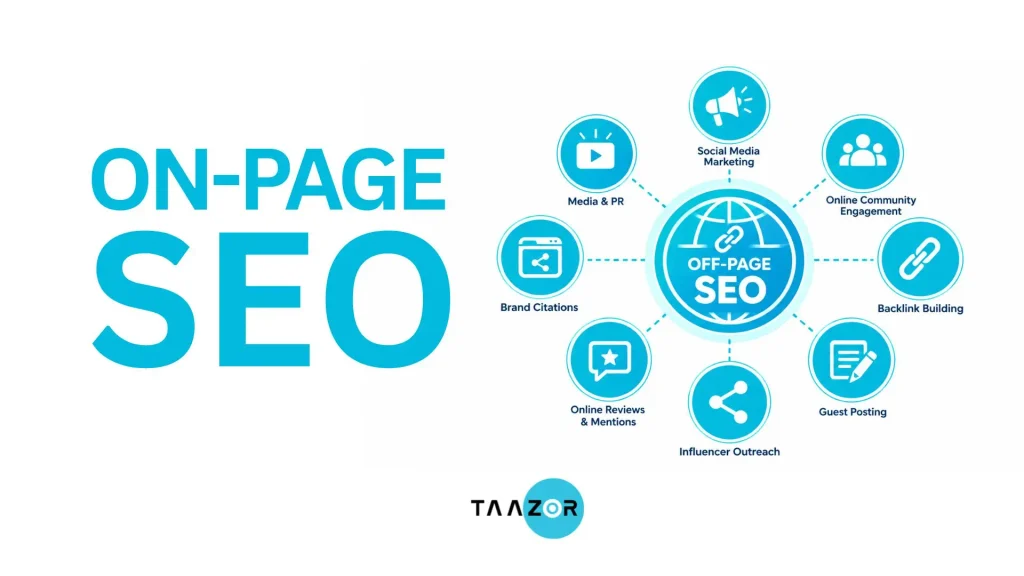
On-page SEO (sometimes called on-site SEO) as the name implies, is a type of SEO that focus on optimizing your content and website (every element on the pages of your site that you can control) to enhance user experience and improve your chances of ranking on search engine. This optimization process involves creating keyword strategy and optimizing website elements such as title tags, meta descriptions, and content structure. On-page SEO is primary to learn as a Beginner in SEO and if you want to write a professional Blog Post for your business.
On-page SEO checklist
To effectively implement your On-page SEO strategy, you need to
- Conduct keyword research to identify relevant, high-value search terms, Ensure your content directly Ensure your content directly answers whether users want information, a specific product, a comparison, or a transactional page (Match search intent) and Provide depth and originality to information to satisfies the user’s query (Write high-quality content). Learn How to How to Write a Blog Post will enhance your keyword research and guide to provide high quality content for users.
- Optimize your title tag to be under 60 characters with your primary keyword near the front of the title, write compelling meta descriptions that summarizes your page in 150–160 characters and a clear call to action to boost click-through rates. Then structure your page with subheadings (H2 and H3 tags) logically to break up text and use a single H1 tag that is clear, engaging, and inclusive of your primary keyword.
- Keep your URL slugs short, clean, readable, and structured with hyphens and your target keyword. Make sure you properly describe images on your site accurately while naturally integrating relevant keywords and not to forget to keep your media file sizes small to prevent slow rendering times. Learning how to How to Optimize Images for Search Engine will also help stay ahead of your on-page SEO game
- Lastly, connect your page to other relevant pages on your site to help search engines understand context and site hierarchy. Also include out bounding links to trusted, authoritative external sources that add value to your claims. Remember to make your layout and text resize smoothly for mobile screens and optimize Core Web Vitals and performance to eliminate render-blocking elements and Very importantly for SEO Today, use appropriate schema markup (like Article, FAQ, or Organization) to help search engines parse your content
On-Page SEO Resources:
- On-page SEO: What it is and How to Do It
- Complete On-page SEO checklist for Beginners
- Image SEO: How to Optimize Images for Search Engine
- How to Do Keyword Research for SEO | The Complete Beginner’s Guide
Off-page SEO: Building authority and trust
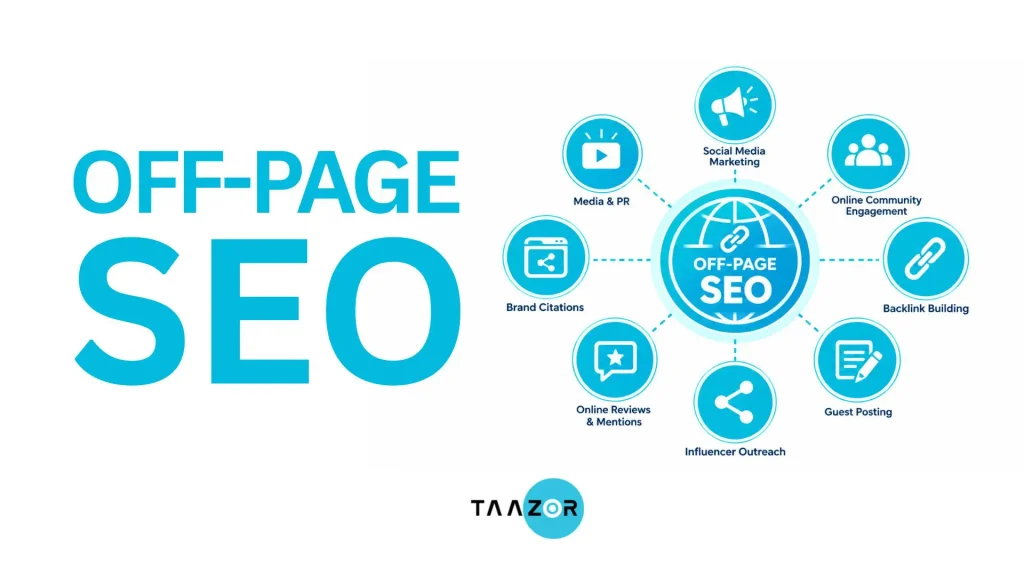
Off-page SEO refers to every activity that occurs outside your website, The goal of off-page SEO is to increase your site’s authority on search engines and in the eyes of humans by building exposure and awareness for your brand. Off-page SEO strategies can improve your brand reputation, increase rankings, and drive traffic to your website-this ways, search engine sees you as a trusted source.
While you don’t have direct control over these factors, you can influence them through strategic effort.
Off-page SEO checklist
Below are some off-page SEO checklist you need that will help you build external authority, trust, and brand visibility outside of your actual website.
- Audit your backlink profile to assess the quality and relevance of the links pointing to your website. Backlinks signals search engine the authenticity and credibility of your website. As long as the links are from reputable and relevant websites, search engines sees it as a signal to rank (showing in search results) and show your content to more people. The goal is to help you find what ways and areas you need to improve on your visibility on search results. Then you have to reclaim broken links by finding dead external links pointing to your domain and and asking site owners to update the URL.
- Analyze your competitors to find gaps that you can bridge and create and post linkable assets like original data, research, infographics, or free tools that naturally attract citations then find websites that mention your brand name without a link and request a proper credit link. Also analyze their backlink profile to know if their advantage in ranking is coming from the links then create a tactics to building yours
- sign-up and be active on niche forums, Reddit, or podcast interviews to grow real brand awareness, Share content across social media channels where your specific audience spend their time. and most importantly, Keep your business name, address, and phone number and other details consistent across major directories and your Google Business Profile.
Off-Page SEO Resources:
- Off-Page SEO: What it is and How to do It
- Off-Page SEO Checklist : Strategies to Rank Higher
- Ultimate Guide to Social Media Marketing for Beginners
- What is Search Engine Marketing (SEM) and how it works
- The Complete Email Marketing Guide for Beginners: Everything You Need to Know
Technical SEO: backbone of a high-ranking site
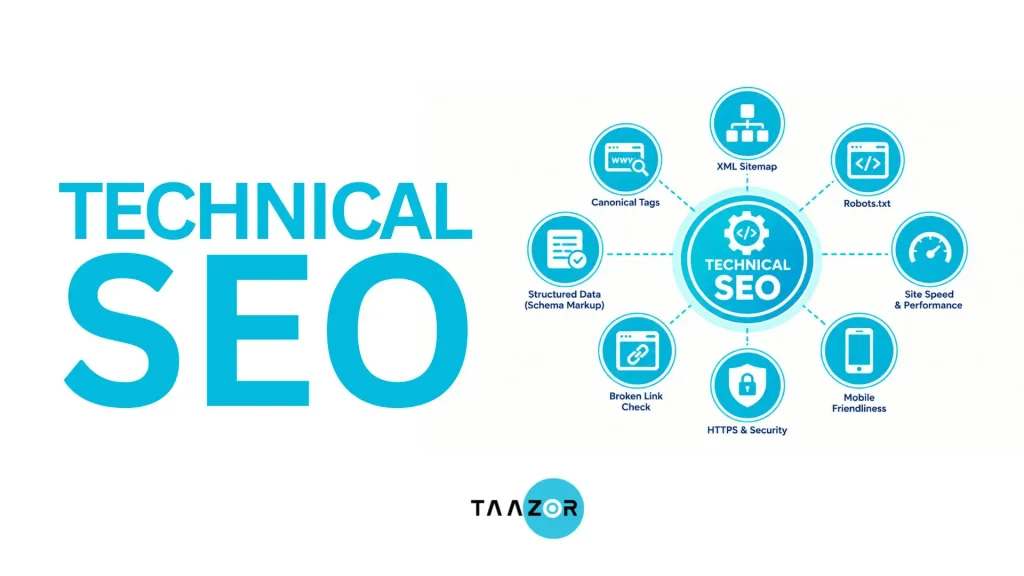
Technical SEO is the backend structure and foundation of your website. It keeps your website secure and accessible to search engine crawlers. Basically, technical SEO strategy involves making a site more readable for these crawlers, improving site speed, ensuring mobile-friendliness, optimizing site architecture and implementing structured data. The goal is to keep your site crawlable
Technical SEO checklist
- Create and submit the latest/current sitemap to google search console to enable crawlers easily find your webpages easily, while you regularly monitor it to see which pages have been indexed and those that might need fixing Then configure your rotots.txt file to guide search engines and AI bots and keep hidden the pages you do not want them to crawl. Use self-referencing canonical URLs to prevent duplicate content issues.
- While building your Webpage, Keep URL short and descriptive with focus keywords, build a clear internal linking between related pages with a descriptive anchor text and fix any HTTP status codes like 404 errors and replace redirect chains with clean 301 redirects.
- To enhance performance and mobile experience, Ensure your site is fully responsive and functions seamlessly across all screen sizes, Install an active SSL certificate to encrypt data and build user trust. Then Optimize Largest Contentful Paint (LCP) and Interaction to Next Paint (INP) for for loading speed and responsiveness respectively
- To help machines understand your entities, You need to implement relevant structure data like Organization, Product, or Event schema and to help AI agents and screen readers parse content correctly, you have to use proper HTML tags like
<header>,<main>,<nav>,<h1>
Technical SEO Resources:
Technical SEO is to search engines what on-page SEO is to users
ogbonna daniel
Local SEO: Local business SEO
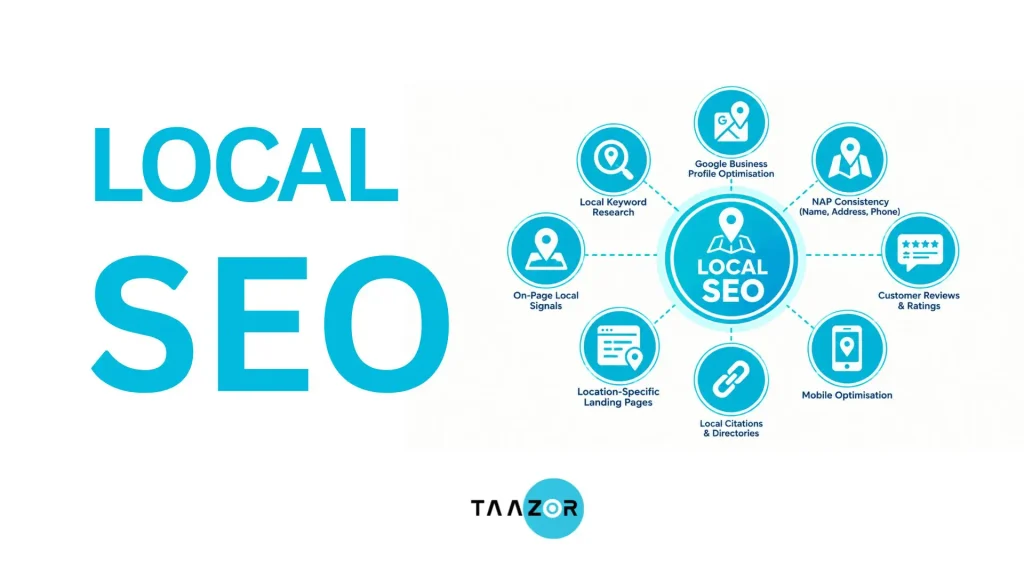
Local SEO is the process of optimizing a local business’ SEO presence. This techniques gives small businesses the opportunity to compete with big brands to show on location-based searches. Local SEO benefits business that serve a regional audience or have a physical store. For instance. If you type “restaurant near me” on your device, you would expect to see restaurant results. That is Local SEO in simple.
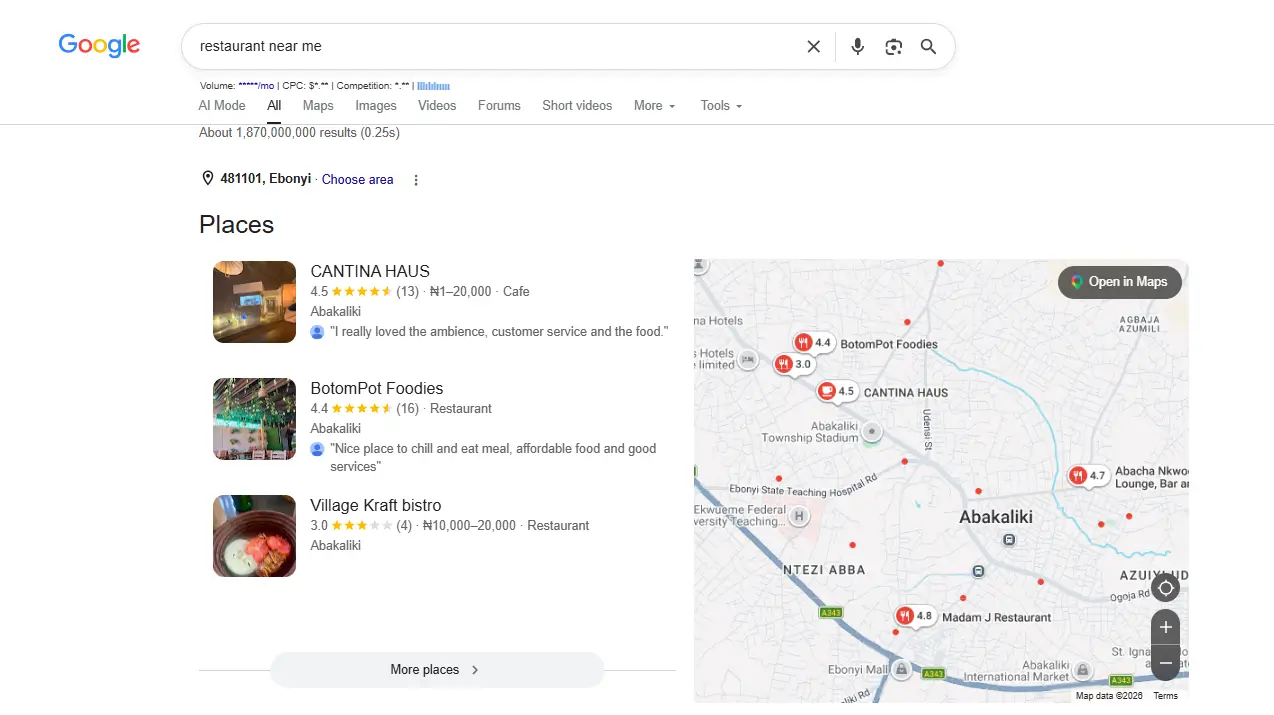
Local SEO focuses on optimizing your online presence so your business can appear in local search results. This includes creating and optimizing your Google Business Profile, keeping your Name, Address, and Phone Number (NAP) consistent across websites and social platforms, and publishing relevant, helpful content that meets the needs of local users.
Local SEO checklist
- Claim and verify your listing on Google, add your exact name, address, and phone number (NAP) and ensure consistency across website and all directories. Pick the best primary category and add relevant secondary categories, set your business hours and upload high quality photos of your storefront, team, or work.
- Manage customer reviews by asking happy customers to live a review, reply to every review and strategically include keywords naturally in your reviews if possible.
- build local authority by publishing content that answers local questions or highlight community events. earn local backlink from regional news sites, local blogs, or community partners
Local SEO Resources:
Local SEO: Complete Beginner’s Guide to Local SEO
