
If you’ve ever searched for a product or content on Google, you would have noticed the very top results displaying as “Sponsored” that’s Search Engine Marketing (SEM) in action. SEM is one of the fastest and most effective ways of gaining visibility online, drive traffic, and generate leads. Advertisers now use search engine result pages (SERPs) to help bring visibility to products, brand(s), or website(s) through this type of digital marketing strategy known as search engine marketing (SEM) or paid search.
Unlike search engine optimization strategy that take time to build, Search Engine Marketing allows you to place your business directly in front of potential customers at the exact moment they’re searching for your product or service and yes immediately. But what exactly is SEM, and how does it work? Let’s break it down
What is Search Engine Marketing?
Search engine marketing, also called SEM or paid search is an internet marketing strategy that uses both paid advertising and search engine optimization (SEO) techniques to increase the visibility of a website or product on search engine results pages (SERPs). In simple terms, it’s a method businesses use in promoting and advertising their websites by paying to show up at the top of search engine results when people search for products they sell or services they offer online.
This approach is different from SEO, which focuses on optimizing content for search engine algorithms so the content ranks high on the SERP. This method typically involves using paid search advertising campaigns, such as Google Ads, to display ads at the top or bottom of search engine results pages. These ads are triggered by specific keywords related to the products, services, or content being offered.
SEM vs. SEO
Although Search Engine Marketing (SEM) and Search Engine Optimization (SEO) are closely related, they serve different roles in a digital marketing strategy. while SEM focuses on paid visibility, SEO focuses on improving organic ranking over time. below is a quick overview of the difference between Search Engine Marketing (SEM) and Search Engine Optimization (SEO)
| Feature | Search Engine Marketing (SEM) | Search Engine Optimisation (SEO) |
|---|---|---|
| Purpose | Increases visibility through paid advertisements on search engines. | Improves organic (unpaid) rankings in search engine results. |
| Cost | Requires an advertising budget, usually through Pay-Per-Click (PPC). | No payment for clicks, but requires time, expertise, and ongoing optimisation. |
| Search Results Position | Ads usually appear at the top or bottom of the search results and are labelled Sponsored. | Organic listings appear below sponsored ads and are ranked by relevance and quality. |
| Results Speed | Delivers immediate traffic once campaigns are launched. | Takes time to build rankings and generate consistent traffic. |
| Long-Term Value | Traffic stops when the advertising budget ends. | Can continue generating traffic long after content is published and optimised. |
| Keyword Strategy | Targets keywords by bidding on them in advertising platforms such as Google Ads. | Targets keywords by optimising pages and creating valuable, relevant content. |
| Ranking Factors | Ad Rank depends on bid amount, Quality Score, ad relevance, and expected click-through rate. | Rankings depend on hundreds of factors, including content quality, backlinks, page experience, and technical SEO. |
| Maintenance | Requires ongoing budget management, bid adjustments, and campaign optimisation. | Requires regular content updates, technical improvements, and continuous optimisation. |
| Skills Required | Knowledge of PPC advertising, keyword bidding, audience targeting, and conversion tracking. | Knowledge of keyword research, technical SEO, content optimisation, link building, and search engine algorithms. |
| Best For | Product launches, promotions, seasonal campaigns, and businesses needing quick results. | Building long-term authority, sustainable organic traffic, and consistent lead generation. |
| Primary Focus | Paid visibility, clicks, and immediate conversions. | Organic visibility, website authority, and long-term business growth. |
| ROI Timeline | Short-term return on investment as long as ads are running. | Higher long-term return on investment through sustained organic traffic. |
| Traffic Source | Paid search traffic. | Organic search traffic. |
| Trust & Credibility | Users recognise listings as advertisements, which may reduce trust for some searches. | Organic rankings generally receive higher trust and credibility from users. |
| Click-Through Rate (CTR) | Can achieve high CTR for commercial and transactional keywords. | Often earns higher CTR for informational and trusted search results. |
| Examples | Google Ads, Microsoft Ads (Bing Ads), Shopping Ads, Local Services Ads. | On-page SEO, Technical SEO, Local SEO, Off-page SEO, Content SEO, Link Building. |
Why is Search Engine Marketing important?
Immediate impact on visibility
- Speed of results: Ads begin appearing as soon as campaigns go live, producing an almost instant lift in visibility.
- Compete in crowded markets: SEM places small businesses alongside larger competitors at the top of SERPs, even where organic ranking is difficult.
Highly targeted advertising
- Relevance to intent: SEM targets users by their search queries, ensuring ads align with what people are actively looking for.
- Customizable segmentation: You can tailor campaigns by keywords, demographics, devices, time of day and geography to reach the most relevant audience segments.
Cost-effective and controllable
- Pay‑per‑click efficiency: With PPC, you pay only when someone clicks your ad, so budget goes toward engaged prospects.
- Budget control: Set daily or monthly caps to match cash flow and campaign goals, making SEM scalable for any budget.
Measurable, data-driven performance
- Trackable metrics: Clicks, impressions, CTR, conversion rate and cost per acquisition give you clear performance signals.
- Rapid optimization: Use campaign data to quickly refine keywords, bids and creative for better results and ROI.
Enhanced local reach
- Local targeting: Target customers by city, radius, or postal code, making SEM especially powerful for brick‑and‑mortar and service businesses.
- Local ad formats: Options like local service ads increase visibility for nearby buyers who are ready to act.
Builds brand awareness and trust
- Repeated exposure: Even impressions without clicks reinforce brand recognition, moving prospects through awareness and consideration.
- Level playing field: SEM allows smaller brands to secure top search positions and compete with larger firms on an equitable basis.
Access to mobile and location-based customers
- Mobile optimization: SEM campaigns can be tuned for mobile users to capture the growing share of searches on phones.
- Location‑based strategies: Serve ads to users near your business or in areas you want to grow, capturing immediate demand.
High-intent traffic and conversion potential
- Quality of traffic: Searchers are actively seeking solutions, so SEM channels tend to deliver higher click‑through and conversion rates than passive ad formats.
- Fast results for promotions: SEM is ideal for product launches, seasonal promotions, and any effort requiring immediate awareness or traffic.
Types of SEM
Search Engine Marketing (SEM) includes several campaign types, each designed to help businesses reach users at different stages of the buying journey. The most common formats are text ads, display ads, shopping ads, video ads, local service ads, app ads, and remarketing campaigns. Together, these formats help businesses increase visibility, attract high-intent traffic, and drive conversions.
1. Search Ads
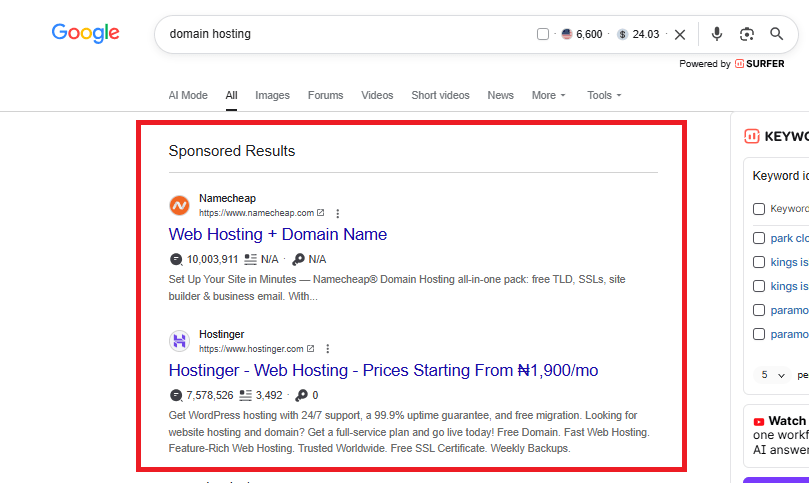
Search ads are text-based ads that appear on search engine results pages when users search for specific keywords. They are ideal for capturing high-intent traffic because they reach people who are actively looking for something.
2. Display Ads
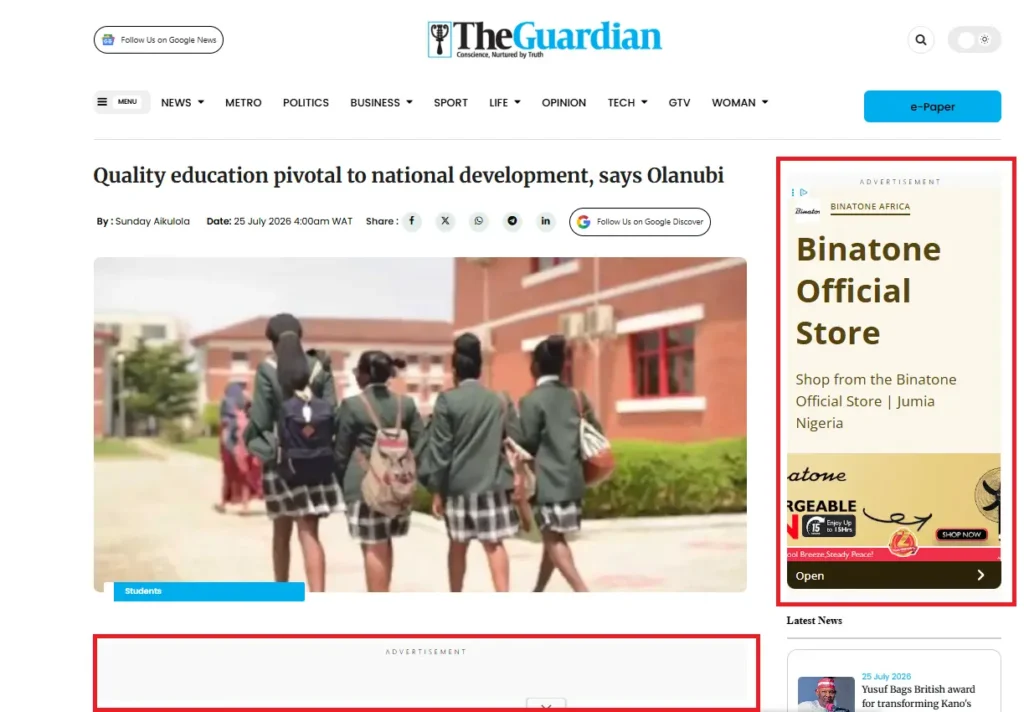
Display ads are image-based ads that appear across websites and mobile apps. They help keep your brand visible while users browse online, and they are especially useful for brand awareness and remarketing. On Google’s ad network, these ads can appear across millions of websites, videos, and apps.
3. Shopping Ads
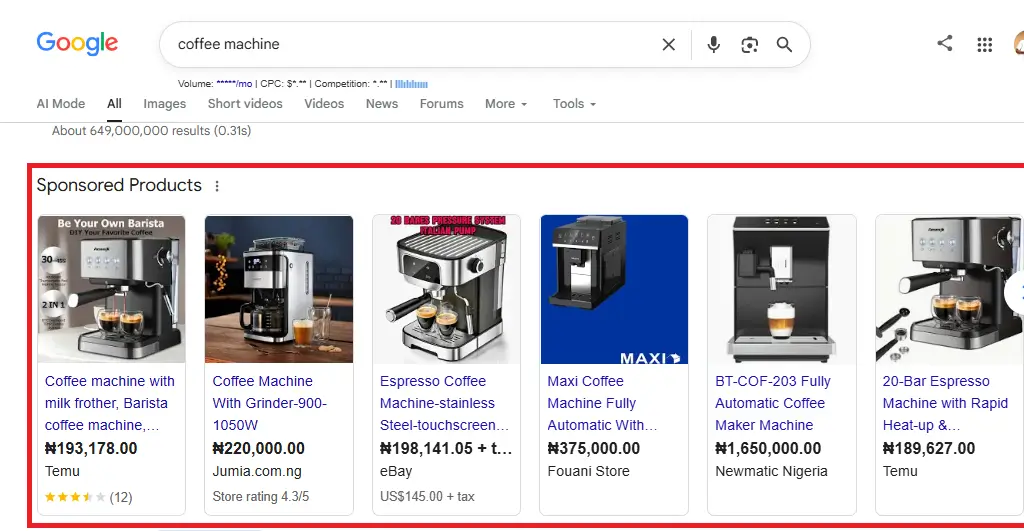
Shopping ads are product-focused listings that appear in search results and on shopping platforms. They usually include a product image, price, brand name, and link to the product page. These ads are highly effective for e-commerce businesses because they give users important product details at a glance and an opportunity to compare products quickly.
4. Video Ads
Video ads appear before, during, or after videos on platforms such as YouTube and other partner sites. They are useful for storytelling, brand awareness, and engaging users with visual content. Because they can be highly targeted, they help businesses reach the right audience with the right message.

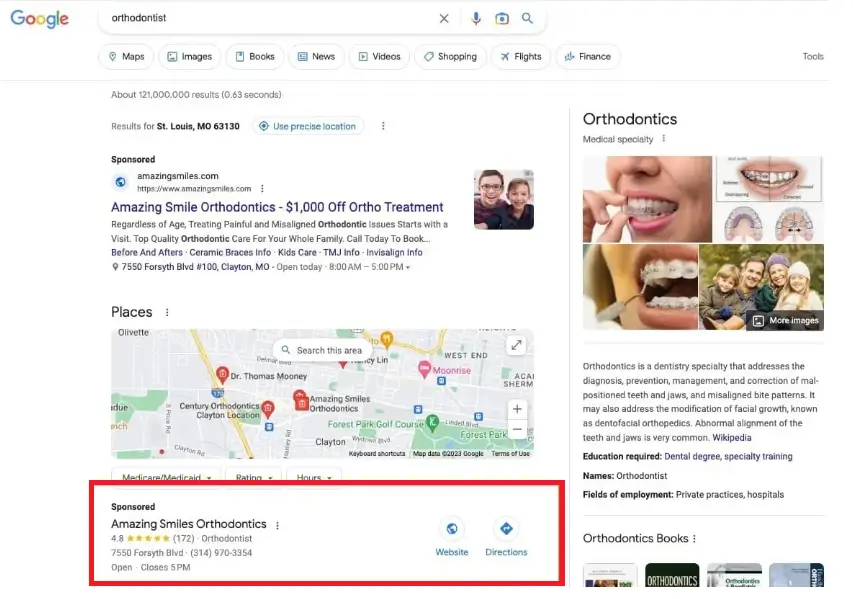
5. Local Service Ads
Local service ads are designed for businesses that want to reach customers in specific geographic areas. They often appear at the top of search results and may include business name, reviews, phone number, hours of operation, and location details. This makes them especially valuable for service-based and local businesses.
6. App Ads
App ads are used to promote mobile apps across search engines, app stores, and display networks. They help drive installs, engagement, and app awareness.
7. Remarketing Campaigns
Remarketing campaigns target users who have previously visited your website but did not complete an action. They help bring back warm leads by showing relevant ads to people who have already shown interest in your brand. This improves conversion rates and makes ad spend more efficient.
How Does SEM Work?
Search engine marketing (SEM) helps small businesses appear in search results through paid ads and optimized content. SEM uses pay‑per‑click (PPC) advertising plus targeted landing experiences to reach users exactly when they’re searching for a product or service. Here’s how the process works in practice:
Keyword research
Keyword research is the foundation of any SEM campaign. This is the process of Identifying words and phrases potential customers type into search engines when looking for a product, service, or solution — from broad phrases (e.g., “kids shorts”) to long‑tail, high‑intent queries (e.g., “casual tan size three kids shorts”).
Businesses often use keyword tools such as Google Keyword Planner, Semrush, Moz, Serpstat, or Google Trends to find search volume, competition, and related queries. Also build negative keyword lists to exclude irrelevant traffic and protect your budget.
Creating Ads and Setting Bids
Once the right keywords are selected, you can now create ads that match those search terms. These ads should be clear, relevant, and compelling, with a strong call to action that encourages users to click. At the same time, you can set bids, The bid is the maximum amount you are willing to pay when someone clicks your ad.
Ad Auction
When a user searches for a keyword, search engines run an ad auction to decide which ads appear and in what order. The auction does not depend on bid amount alone. It also considers ad quality, relevance, click-through rate, landing page experience, and the context of the search query.
This means a better-quality ad can sometimes outrank a higher bid.
Landing pages
After a user clicks an ad, they are taken to a landing page. This page should match the promise made in the ad and guide the visitor toward a specific action, such as making a purchase, signing up for a newsletter, or filling out a form. A strong landing page improves both conversions and campaign performance.
Tracking Performance
SEM does not stop once the ad goes live. Marketers monitor campaign performance using metrics such as impressions, click-through rate, conversions, cost per click, and return on investment. This data helps them refine keywords, improve ad copy, adjust bids, and strengthen results over time.
Quality Score
Quality Score is an important factor in SEM success. It measures how relevant and useful an ad is based on elements such as keyword relevance, landing page experience, and expected performance. Ads with higher Quality Scores can often achieve better ad placement at lower costs.
Targeting
SEM also allows marketers to target specific audiences using criteria such as location, interests, behavior, and demographics. This makes campaigns more efficient because ads are shown to people who are more likely to convert. Better targeting helps businesses reduce waste and improve return on spend.
PPC and Cost
SEM commonly uses pay-per-click (PPC), which means advertisers pay only when someone clicks their ad. The amount paid per click depends on keyword demand, competition, industry, and search engine platform. Some keywords are more expensive than others because many advertisers are bidding on them.
Pros and Cons of SEM
SEM has clear advantages, but it also comes with a few challenges.
Pros
- Fast results.
- Precise targeting.
- Easy to measure.
- Flexible budget control.
- Strong lead generation potential.
Cons
- Can become expensive in competitive industries.
- Traffic stops when ads stop.
- Requires ongoing optimization.
- Can be complex for beginners.
For many businesses, the benefits outweigh the challenges, especially when the campaigns are managed properly.
Best Practices for SEM
To get the best results from SEM, follow these simple practices:
- Start with a clear goal, such as leads, sales, or traffic.
- Focus on keywords with strong buying intent.
- Write ad copy that matches the user’s search.
- Send traffic to a relevant landing page.
- Use negative keywords to block irrelevant searches.
- Track conversions from the beginning.
- Test different ads and landing pages.
- Review performance regularly and make improvements.
These practices help reduce wasted spend and improve return on investment.
How Much Does SEM Cost?
The cost of SEM varies depending on your industry, keyword competition, targeting, and budget. In most cases, you control spending through a daily or monthly budget.
Highly competitive keywords usually cost more, while niche or long-tail keywords may be more affordable. This is why proper keyword research is so important before running ads.
Conclusion
Search Engine Marketing is a powerful digital marketing strategy that helps businesses appear in search results through paid advertising. It works by matching your ads to search queries, using bidding and quality signals to determine placement, and sending users to optimized landing pages.
When used well, SEM can drive traffic, leads, and sales quickly. It is especially valuable for businesses that want immediate visibility, measurable results, and the flexibility to scale based on performance.
