
How to Maintain a Healthy Work-Life Balance
Maintaining a Healthy Work-Life Balance is part of self care. For many people, remote work have brought more freedom. but to others, with it comes the difficulty to fully unplug. Juggling the responsibilities of your workday, home life, and relationships with your family members and other loved ones, the line between work and life has never felt more blurred.
But striking the right balance between professional and personal commitments can have a significant impact on your outlook, overall well-being, and your ability to prioritize
In this article, we’re going to discuss the signs of an unbalanced life, causes of the imbalance in work-life, benefits of work-life balance and tips to maintaining a healthy work-life balance
What Is Work-Life Balance?
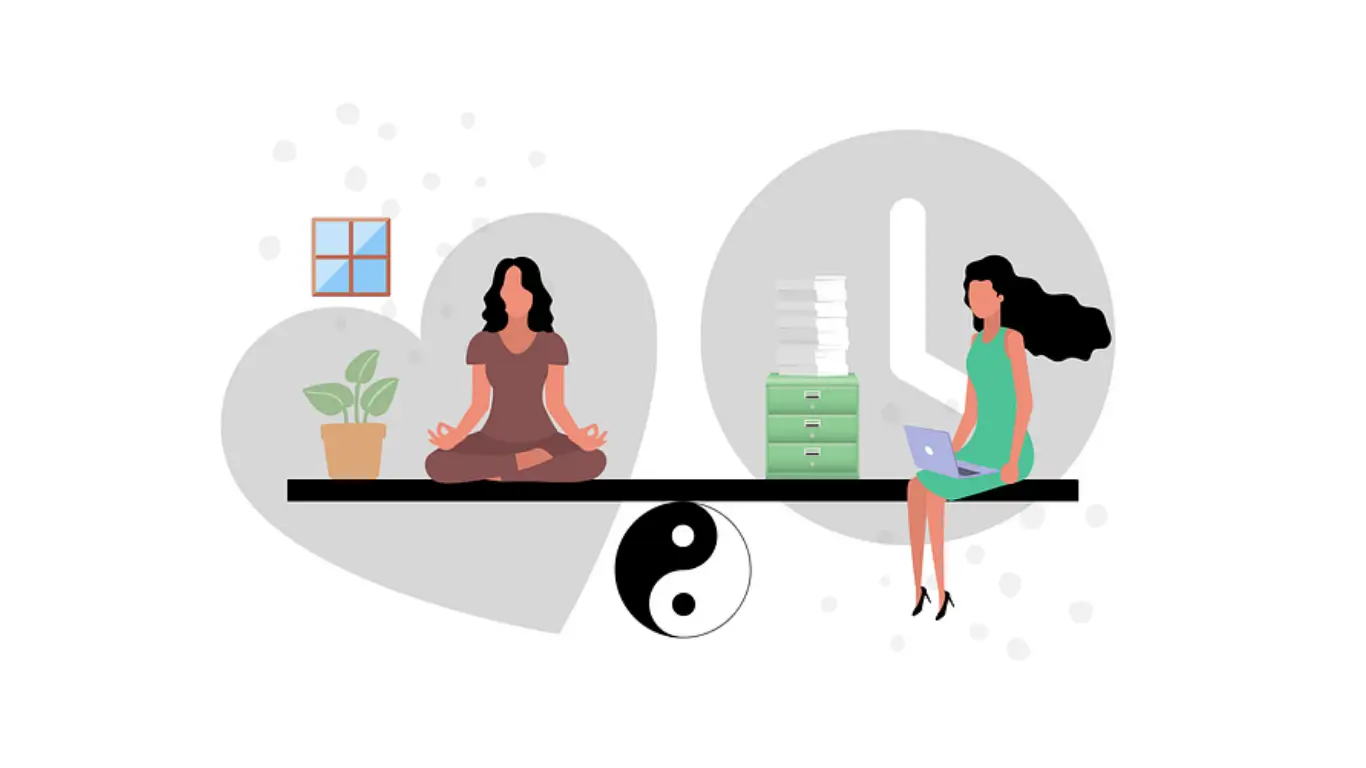
Work-life balance means maintaining a harmonious relationship between your professional responsibilities and personal life. It involves consciously managing your time and energy to meet both work and personal commitments while prioritizing self-care and well-being.
A healthy work-life balance looks different for everyone—it depends on your unique goals, needs, and circumstances. It’s not about dividing your time equally between work and life, but rather creating harmony that allows you to thrive in both areas.
Signs of an Unbalanced Work-Life
Before implementing solutions, it is important to recognize if you’re struggling.
Some Common signs of work-life imbalance include:
- Constantly overworking: Regularly working long hours, weekends, and holidays without rest
- Struggling to disconnect: Your mind stays tethered to your inbox even after hours or on days off
- Lack of self-care: Not prioritizing exercise, sleep, or leisure time, resulting in deteriorating health
- Burnout: Feeling physical, mental, and emotional exhaustion from chronic stress
- Strained relationships: Becoming easily irritated with coworkers and distant with loved ones
- Avoiding time off: Sick days and vacations feel like luxuries you can’t afford
- Physical symptoms: Frequent headaches, fatigue, sleep problems, or changes in appetite
- Decreased productivity: Feeling overwhelmed and unable to focus on tasks effectively
If you notice several of these signs, it’s time to look for balance in your work-life
Tips to Maintain a Healthy Work-Life Balance
1. Set Clear Boundaries Between Work and Personal Life
The matter of boundaries can not be overemphasized. It is important that you create specific work hours and communicate them to colleagues, friends and family.
When work hours end, stop working completely. Turn off your work phone and resist checking email after work period. For remote workers, leave projects at your dedicated workspace when the day ends. Set a firm end time daily and power down work devices.
The boundary between work and personal life should be very bold and maintained
2. Plan Ahead for Personal Time and Take Breaks
Plan Ahead for Personal Time. Don’t leave personal time up to chance. Proactively schedule personal activities just like you set for work and meetings. Set time for lunch with friends, workout classes, or outdoor time in your calendar.
Also, taking short breaks can have a lot of impact on your health and workflow. Take breaks at least every 1-2 hours. Step away from your workspace completely; walk outside, stretch, or drink water.
True breaks require mental detachment from work.
3. Make Self-Care a Daily Routine
Selfcare is one of the major actions you must try to keep. Beyond work is You. you should take out time to selfcare. Self-care includes adequate sleep, nutritious eating, exercise, and relaxation. Take a few hours off when you get home to relax, make dinner, or exercise.
4. Unplug from Technology After Hours and Find Hobbies
After long hours of work, still staying on your gadget is not ideal. Always keep your cellphone away from dinner and resist the urge to check work email while watching TV. Turn off all gadgets at least 30 minutes before bed and use apps that block work tools after hours.
Having hobbies after work makes disconnecting easier. Keep a list of fun activities like reading, cooking, gardening, music, sports and check them off weekly.
5. Say No to Extra Work and Practice Time Management
Set firm limits on your workload. Knowing when to say “no” to more hours and responsibilities is one of the most important measures for improving balance.
Before accepting tasks, ask: Will this compromise my commitments? ,Can I delegate instead? and if it steps on your personal time, You need to say No politely. If it’s something that can be delegated, then do so.
Use the Pomodoro Technique (25-minute work blocks with 5-minute breaks) and group similar tasks together for efficiency. These will help you manage your time and increase your work-life balance
6. Take Vacations and Use Your PTO
Vacation is essential to well-being, not a luxury. Time away from work. sick leave, personal time will improve your work-life balance more than you can think.
Also commit to disconnecting during vacations: log out of email completely, silence work notifications, and leave without guilt. Plan activities requiring full attention so you can’t work.
7. Communicate with Your Manager and Practice Mindfulness
Many desk workers log on outside hours because they feel pressured, not because they want to. Talk to your manager about prioritizing tasks, hiring help, or streamlining workloads.
You need to take responsibility and be sincere. Notice early signs of overworking like tension or irritability and take actions to implement a healthy work-life balance. Mindfulness will help you recognize when balance is off before problems become severe.
Bonus: Tips Specifically for Remote Workers
Remote work offers freedom but doesn’t automatically guarantee balance. Only about 33% of remote workers strongly agree they have a healthy work-life balance, showing that remote work requires intentional strategies.
Start and end your day with intention: Use consistent rituals like walking, journaling, changing clothes, or specific morning/evening routines to mentally separate work time from personal time. These rituals signal to your brain when work begins and ends.
Create a dedicated workspace: Consistently sitting in the same chair or using the same room helps your brain recognize focus time versus unplug time. When you leave that space, work mentally ends.
Take real breaks: Step outside your home, stretch physically, move your focus completely away from your screen, or engage in non-work activities. Breaks that involve scrolling or checking email aren’t true breaks.
Check in with yourself regularly: Pay attention to energy dips, stress buildup, or signs of overworking throughout the day. Remote work requires self-awareness since there are fewer external cues about when to stop.
Frequently Asked Question
Conclusion
Achieving a healthy work-life balance is an ongoing process requiring self-awareness, communication, and adaptability but the rewards are well worth the effort. Start with small, manageable changes. Remember that balance isn’t perfection. some weeks will naturally be work-heavy, while others give you space to rest and recharge.
The key is consistent effort toward creating harmony between your career and personal life. Your health, relationships, productivity, and long-term career success all depend on maintaining a healthy work-life balance. Start today with one small change.
Related Articles;
6 Ways to Avoid Burnout While Working Online
10 Essential Remote Work Tools Every Team Needs
6 Best Ways to Stay Productive While Working From Home